Gratitude is more than saying "thank you." It's a practice that, when cultivated intentionally, can literally rewire your brain for greater happiness, resilience, and well-being. The best part? It only takes a few minutes a day.
The Science of Gratitude
Research by Dr. Robert Emmons and others has demonstrated that regular gratitude practice leads to measurable improvements in mental and physical health. Studies show that gratitude:
- Activates the brain's reward pathways
- Releases dopamine and serotonin
- Strengthens neural pathways associated with positive thinking
- Reduces activity in the amygdala (fear center)
These changes aren't temporary—consistent practice creates lasting changes in brain structure and function.

"Do not spoil what you have by desiring what you have not; remember that what you now have was once among the things you only hoped for."
Gratitude Practices
1. Three Good Things (Evening Journal)
One of the most researched gratitude exercises, developed by Dr. Martin Seligman.
- Each evening, write down three good things that happened that day.
- For each item, answer: "Why did this good thing happen?"
- Practice for at least one week (ideally ongoing).
Research shows: Participants who practiced this for one week reported increased happiness and decreased depressive symptoms for up to six months.
2. Gratitude Journal
A more open-ended approach to regular gratitude reflection.
- Write 3-5 things you're grateful for each day or several times per week.
- Be specific—instead of "my family," write "my daughter's laugh at dinner tonight."
- Vary your entries to avoid habituation.
- Reflect on why you're grateful for each item.
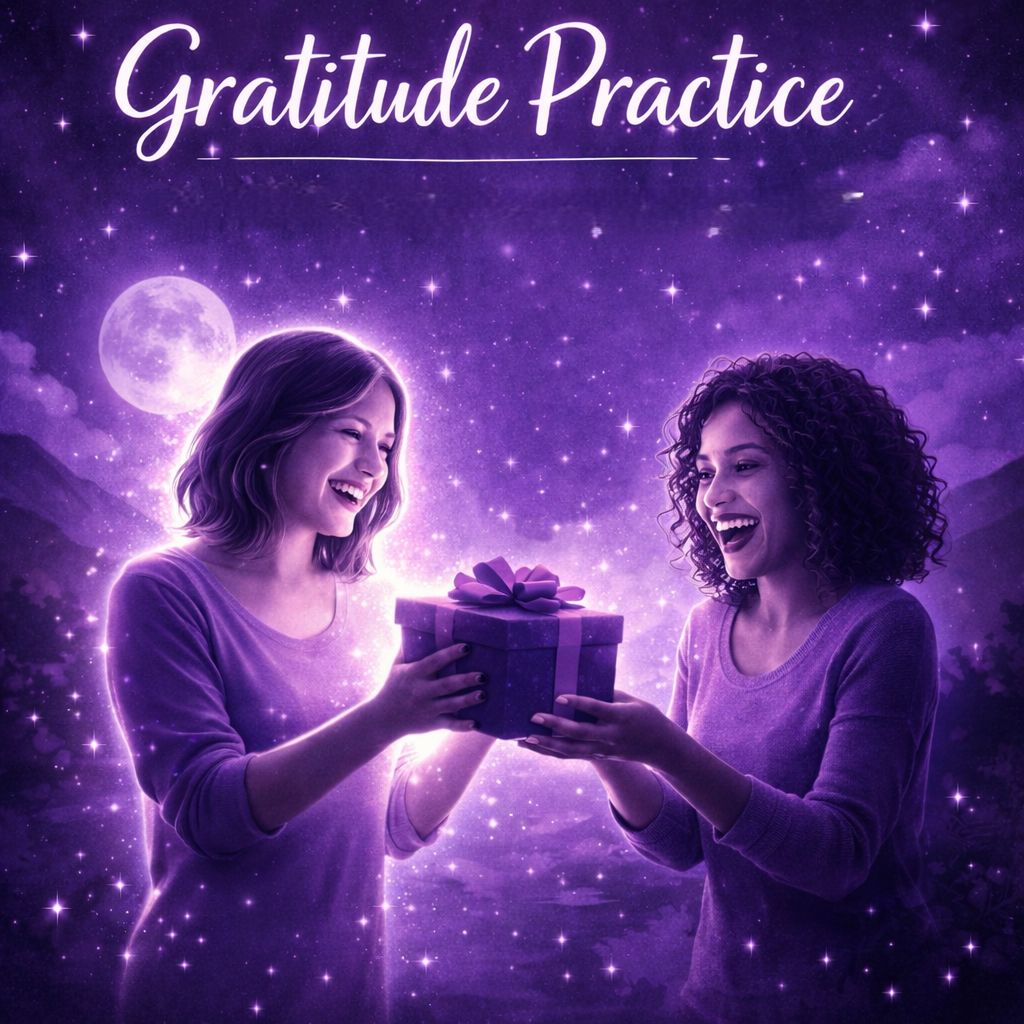
3. Gratitude Visit (or Letter)
Dr. Seligman's research found this to be one of the most powerful happiness interventions.
- Think of someone who has positively impacted your life but whom you've never properly thanked.
- Write a detailed letter (300+ words) expressing your gratitude and how they affected you.
- Arrange to visit them in person (if possible) and read the letter aloud.
- If a visit isn't possible, send the letter or read it over video call.
4. Mental Subtraction
Imagine your life without something you currently take for granted.
- Choose something positive in your life (a relationship, job, health, etc.).
- Imagine your life if this had never happened or didn't exist.
- Write about what your life would be like without it.
- Notice how this shifts your appreciation for what you have.
5. Gratitude Meditation
- Sit comfortably and close your eyes.
- Bring to mind someone or something you're grateful for.
- Notice any sensations in your body (often warmth in the chest).
- Silently send appreciation to this person or thing.
- Expand to include more items of gratitude.
- Practice for 5-15 minutes.
6. Gratitude Jar
A visual, tactile practice that builds over time.
- Keep a jar and small slips of paper visible in your home.
- Each day, write one thing you're grateful for and add it to the jar.
- On difficult days or at year's end, read through the accumulated gratitudes.
Tips for Effective Practice
- Be specific: "I'm grateful for the sunny 20 minutes I spent reading on my porch" is more powerful than "I'm grateful for nice weather."
- Focus on people: Gratitude for people tends to be more impactful than gratitude for things.
- Find novelty: Vary your entries to prevent the practice from becoming rote.
- Quality over quantity: Deeply feeling gratitude for one thing beats listing ten things mechanically.
- Be consistent: Regular practice, even brief, beats sporadic longer sessions.
Benefits
- Increased happiness: Gratitude is one of the strongest predictors of well-being.
- Better sleep: Grateful people sleep longer and feel more refreshed.
- Improved relationships: Expressing gratitude strengthens social bonds.
- Enhanced resilience: Grateful people cope better with stress and adversity.
- Physical health: Associated with lower blood pressure and stronger immune function.
- Reduced materialism: Appreciation for what you have reduces the need for more.
Caveats
- Not toxic positivity: Gratitude doesn't mean ignoring problems or suppressing negative emotions.
- Don't force it: Inauthentic gratitude can backfire. If it feels forced, try a different practice.
- Not a cure-all: Gratitude supports mental health but doesn't replace treatment for clinical conditions.
- Allow negative emotions: You can be grateful AND experience difficult feelings.
- Avoid comparison: "At least I'm not..." isn't true gratitude—it's comparison.
References
- Emmons, R. A., & McCullough, M. E. (2003). "Counting blessings versus burdens: An experimental investigation of gratitude." Journal of Personality and Social Psychology.
- Seligman, M. E. P. (2011). Flourish: A Visionary New Understanding of Happiness and Well-being. Free Press.
- Greater Good Science Center - Gratitude Resources