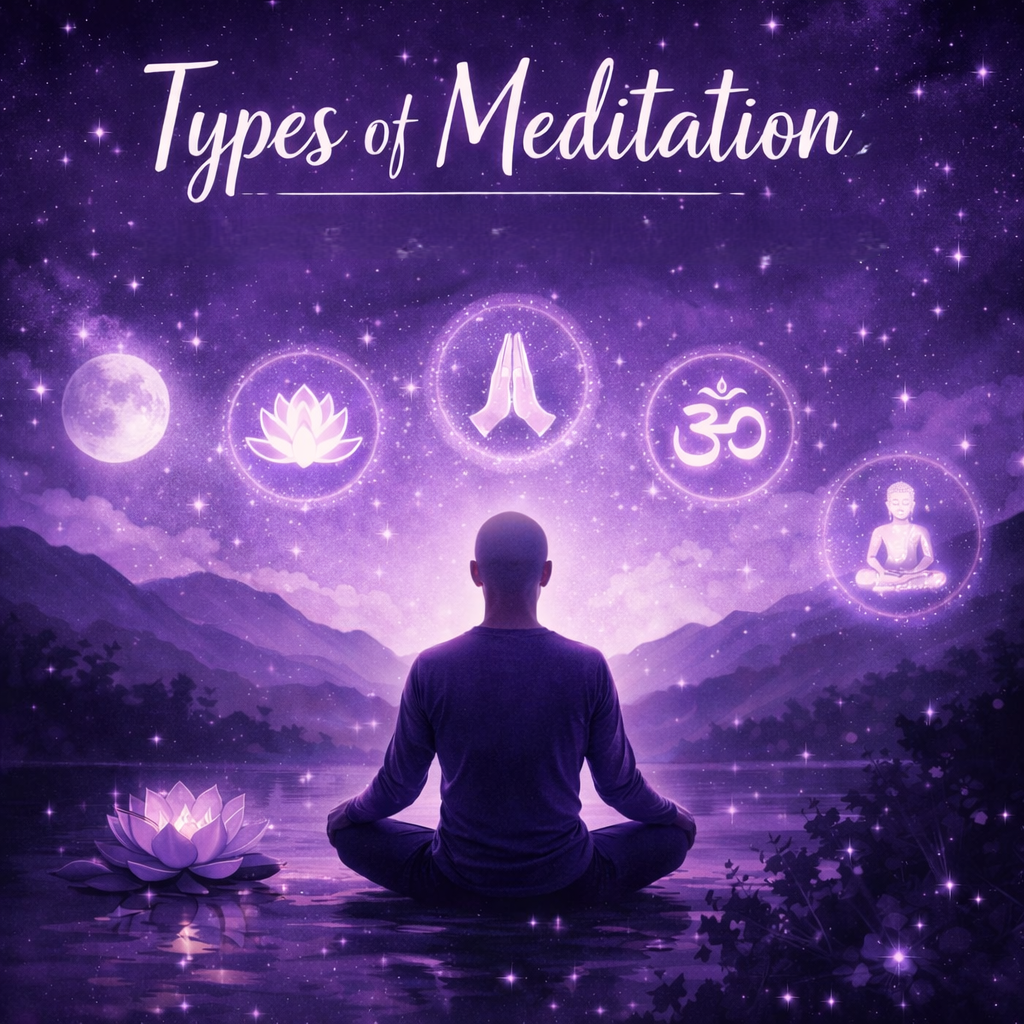
"Meditation" isn't one thing—it's an umbrella term covering dozens of practices with different techniques, goals, and traditions. Finding the right type of meditation for you can make the difference between a frustrating experience and a transformative one.
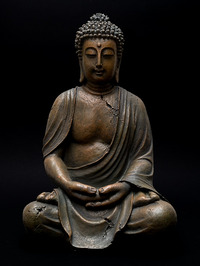
"Peace comes from within. Do not seek it without."
Mindfulness Meditation
Origin: Buddhist traditions, secularized by Jon Kabat-Zinn in the 1970s
Technique: Focus on the present moment without judgment. Typically involves observing thoughts, sensations, or breath without getting caught up in them.
Best for: Stress reduction, anxiety, beginners, those seeking evidence-based practices.
Research: Extensively studied. Shown to reduce anxiety, depression, and chronic pain; improve attention and emotional regulation.
Focused Attention Meditation
Origin: Found across many traditions
Technique: Concentrate on a single object of focus—commonly the breath, a candle flame, a sound, or a mantra. When attention wanders, gently return to the focus.
Best for: Building concentration, those who prefer structure, calming an overactive mind.
Variations: Breath counting, candle gazing (trataka), sound meditation.
Body Scan Meditation
Origin: Part of Mindfulness-Based Stress Reduction (MBSR)
Technique: Systematically move attention through different parts of the body, noticing sensations without trying to change them.
Best for: Stress, chronic pain, insomnia, developing body awareness, relaxation.
Duration: Typically 15-45 minutes.
Loving-Kindness Meditation (Metta)
Origin: Buddhist tradition
Technique: Cultivate feelings of love and goodwill, starting with yourself, then extending to loved ones, neutral people, difficult people, and all beings. Uses phrases like "May I be happy, may I be healthy, may I be at peace."
Best for: Self-compassion, relationship difficulties, anger, depression, building empathy.
Research: Studies show increases in positive emotions, social connection, and self-compassion.
Transcendental Meditation (TM)
Origin: Taught by Maharishi Mahesh Yogi, derived from Vedic traditions
Technique: Silently repeat a personally assigned mantra for 20 minutes, twice daily. Requires instruction from a certified teacher.
Best for: Those who prefer structured techniques and can invest in formal training.
Note: TM is trademarked and taught through official channels (for a fee). Similar mantra-based practices are available freely.
Zen Meditation (Zazen)
Origin: Zen Buddhism
Technique: Seated meditation with specific posture. Can involve breath awareness, koan practice (contemplating paradoxical questions), or shikantaza ("just sitting").
Best for: Those drawn to Buddhist philosophy, seekers of deeper insight, disciplined practitioners.
Note: Often practiced in community settings (sangha) and may involve other elements like chanting.
Visualization Meditation
Origin: Tibetan Buddhism, various traditions, modern adaptations
Technique: Create mental images—a peaceful place, healing light, future goals, or symbolic imagery.
Best for: Goal-setting, healing, relaxation, those with strong visual imagination.
Variations: Guided imagery, future self visualization, healing light meditation.
Movement Meditation
Origin: Various traditions
Technique: Mindful awareness during movement—walking, yoga, tai chi, qigong, or any gentle movement.
Best for: Those who find sitting difficult, combining exercise with mindfulness, restless individuals.
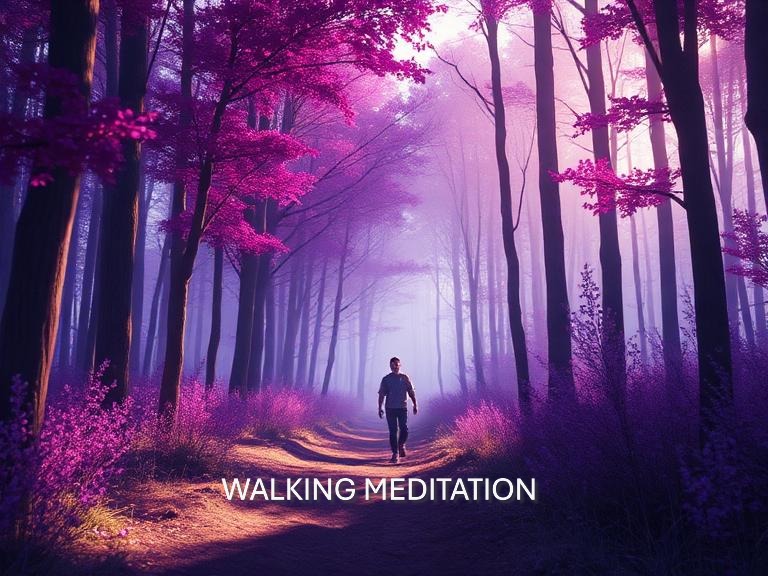
See also: Walking Meditation
Mantra Meditation
Origin: Hindu and Buddhist traditions
Technique: Repeat a word, phrase, or sound (mantra) aloud or silently. Common mantras include "Om," "Om mani padme hum," or personally meaningful phrases.
Best for: Those who find silence difficult, building focus, connecting with spiritual traditions.
Note: Can be combined with prayer beads (mala) for counting repetitions.
Breath Awareness Meditation
Origin: Buddhist traditions (Anapanasati), yoga (Pranayama)
Technique: Simply observe the natural breath without controlling it. Notice the sensation of air entering and leaving, the rise and fall of the chest or belly.
Best for: Beginners, anxiety reduction, grounding, any time you need to center yourself.
See also: Breathing Patterns for structured breathing techniques.
How to Choose
Consider these factors when selecting a meditation practice:
- Your goals: Stress relief? Better focus? Spiritual growth? Different practices excel at different things.
- Your temperament: Do you prefer structure or openness? Movement or stillness? Guidance or silence?
- Time available: Some practices require longer sessions; others work in brief moments.
- Physical considerations: Sitting difficulties, chronic pain, or restlessness may influence your choice.
- Cultural/spiritual alignment: Some people prefer secular practices; others are drawn to traditional contexts.
Recommendation: Try several types before settling on one. Many practitioners use multiple techniques depending on their needs.
Benefits
- Reduced stress and anxiety: Most meditation types help activate the relaxation response.
- Improved attention and focus: Regular practice strengthens concentration abilities.
- Emotional regulation: Greater awareness of emotions and ability to respond rather than react.
- Better sleep: Practices like body scan and breath awareness can improve sleep quality.
- Enhanced self-awareness: Develop deeper understanding of your thoughts, patterns, and reactions.
- Physical health benefits: Research links meditation to lower blood pressure, reduced inflammation, and immune function improvements.
Caveats
- Not all practices suit everyone: If one type doesn't resonate, try another before concluding meditation isn't for you.
- Results take time: Meaningful changes typically require consistent practice over weeks or months.
- Can surface difficult emotions: Some people experience challenging feelings during meditation. This is normal but may require guidance.
- Not a substitute for therapy: For clinical conditions, meditation complements but doesn't replace professional treatment.
- Beware of commercialization: Some practices charge high fees for what is freely available elsewhere.
References
- Kabat-Zinn, J. (1994). Wherever You Go, There You Are: Mindfulness Meditation in Everyday Life. Hyperion.
- Goyal, M., et al. (2014). "Meditation Programs for Psychological Stress and Well-being: A Systematic Review and Meta-analysis." JAMA Internal Medicine.
- Mindful.org - Getting Started with Meditation