
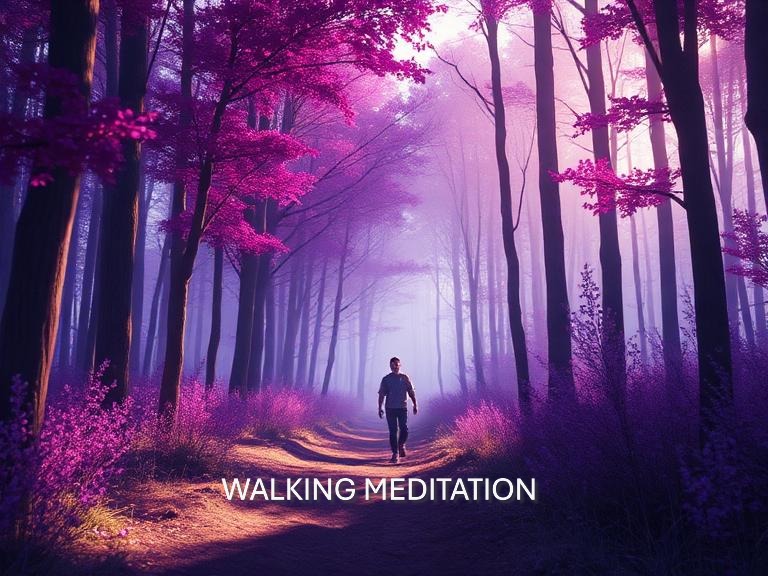
Who says you need to sit still to meditate? Walking meditation is a practice that brings mindful awareness to the simple, everyday act of walking. It's an excellent option for those who find sitting meditation challenging or want to incorporate mindfulness into their daily movement.
What is Walking Meditation?
Walking meditation is a form of meditation in action. Unlike sitting meditation where stillness is the vehicle for awareness, walking meditation uses the physical sensations of walking as the focus of attention. The practice has roots in Buddhist traditions, where it's known as kinhin in Zen Buddhism and cankama in Theravada Buddhism.
Thich Nhat Hanh, the Vietnamese Zen master, popularized walking meditation in the West, emphasizing that each step can be a moment of peace and presence.
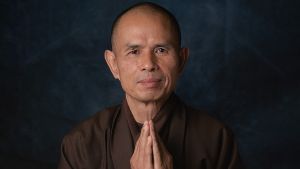
"Walk as if you are kissing the Earth with your feet."
How to Practice Walking Meditation
Choosing Your Space
- Find a path of about 10-30 feet where you can walk back and forth undisturbed.
- Indoor or outdoor locations both work well.
- A quiet, safe space is ideal, but you can adapt the practice anywhere.
Basic Instructions
- Stand still: Begin by standing at one end of your path. Feel your feet on the ground. Take a few conscious breaths.
- Set your intention: Remind yourself that this is a practice of presence, not a destination-focused walk.
- Begin walking slowly: Walk at a pace much slower than normal—perhaps one step every 2-3 seconds.
- Focus on sensations:
- Notice the lifting of your foot
- Feel the movement through space
- Sense the placing of your foot on the ground
- Notice the shift of weight
- Turn mindfully: When you reach the end, pause. Turn around slowly and deliberately.
- Continue: Walk back with the same attention. Repeat for 10-20 minutes.
Variations
- Breath coordination: Sync your steps with your breath (e.g., 3 steps per inhale, 3 steps per exhale).
- Noting practice: Silently note "lifting, moving, placing" with each step.
- Outdoor walking: Expand awareness to include sounds, smells, and sights while maintaining focus on movement.
- Everyday walking: Apply the practice to walking at a normal pace during daily activities.
Duration and Frequency
- Beginners: Start with 10 minutes.
- Regular practice: 15-30 minutes is typical.
- Integration: Even 5 minutes between activities can be beneficial.
- Complementary practice: Many practitioners alternate between sitting and walking meditation.
Benefits
- Accessible: Easier for people who find sitting meditation uncomfortable or restless.
- Embodied awareness: Connects mind and body through physical sensation.
- Reduced anxiety: The rhythmic movement can have a calming effect.
- Improved balance and coordination: The slow, deliberate movements enhance body awareness.
- Bridges meditation and daily life: Makes mindfulness more portable and practical.
- Physical activity: Provides gentle exercise while practicing mindfulness.
- Nature connection: When practiced outdoors, can enhance appreciation of the natural world.
Caveats
- May feel awkward initially: Walking very slowly can feel strange at first. This normalizes with practice.
- Not suitable for all environments: Walking meditation in crowded or unsafe areas isn't advisable.
- Balance issues: Those with balance difficulties should practice in a safe environment or with support.
- Different from regular walking: The benefits come from the meditative quality, not the physical exercise.
- May draw attention: Walking slowly in public may attract curious looks. Practice in private if this bothers you.
References
- Thich Nhat Hanh. (1991). Peace Is Every Step: The Path of Mindfulness in Everyday Life. Bantam Books.
- Kabat-Zinn, J. (1994). Wherever You Go, There You Are: Mindfulness Meditation in Everyday Life. Hyperion.
- Mindful.org - How to Practice Walking Meditation